


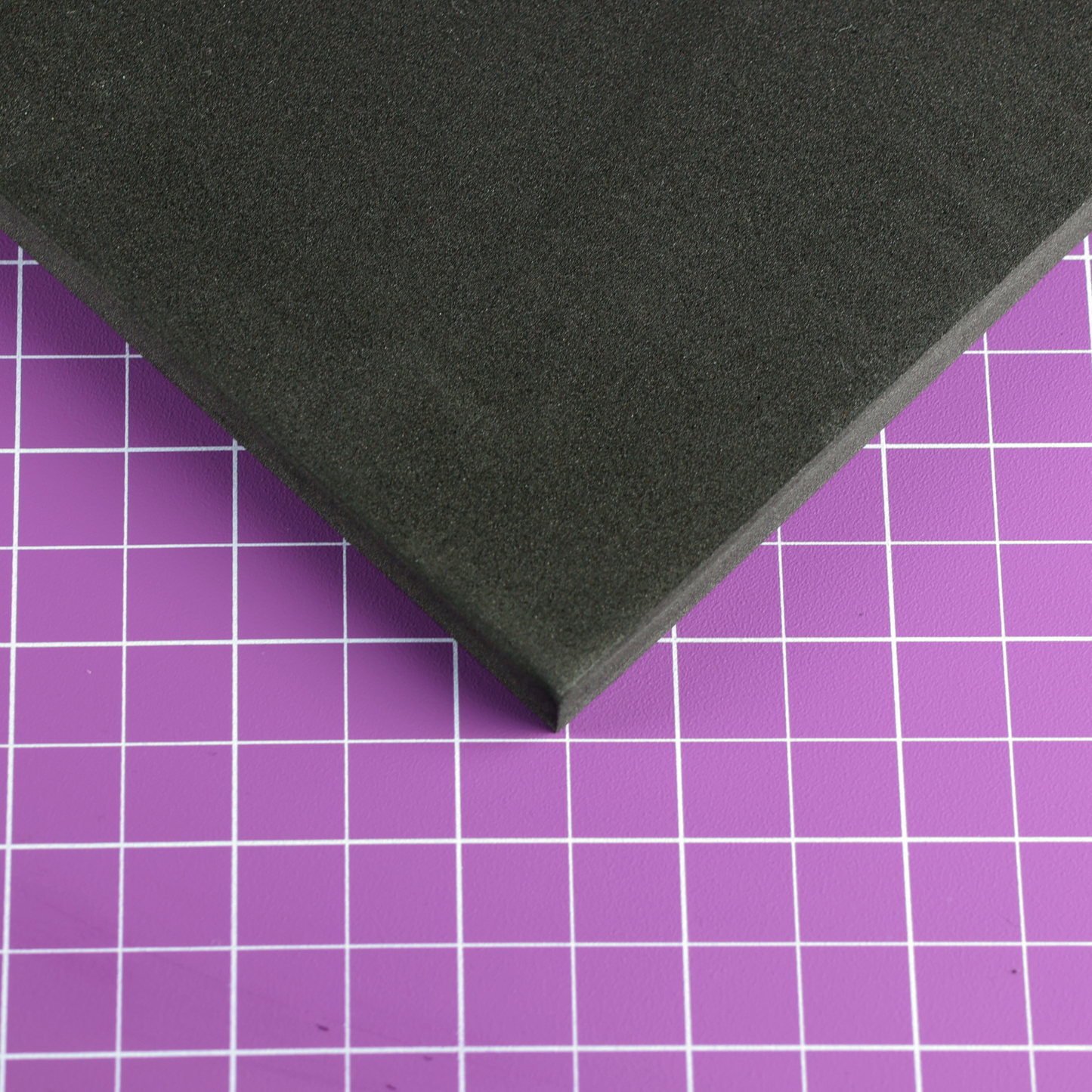
EVA foam 65 kg/m3, 2 mm black - 100x100 cm
EVA foam 65 kg/m3, 2 mm black - 100x100 cm

plus shipping from 97,00 Kč
Shipping options
 Výdejní místo PPL / DHL97,00 KčFrom 700 Kč:
0,00 Kč
2–4 business days
Výdejní místo PPL / DHL97,00 KčFrom 700 Kč:
0,00 Kč
2–4 business days
 Výdejní místo DPD97,00 KčFrom 700 Kč:
0,00 Kč
2–4 business days
Výdejní místo DPD97,00 KčFrom 700 Kč:
0,00 Kč
2–4 business days
- Doručení na adresu192,00 KčFrom 1.000 Kč:
0,00 Kč
2–4 business days


All prices include VAT.


Shipping & returns
Secure payments
Your payment information is processed securely.


Description
Professional EVA foam for high-precision cosplay projects
This high-quality black EVA foam is an essential material for every costume maker's workshop. With a density of 65 kg/m3 and a precise 2 mm thickness, this sheet is perfectly suited for intricate details, layered embellishments, and projects requiring high flexibility. It is a reliable cosplay foam characterized by a smooth surface and ease of processing, allowing you to achieve professional-grade finishes for any character build.
Key features
- High density: The 65 kg/m3 material density provides excellent structural integrity while remaining lightweight. It is the ideal grade of EVA foam for consistent heat shaping and detailed sculpting.
- Optimal thickness: The 2 mm sheet is perfect for creating delicate details, complex patterns, and finishing armour edges. Its low profile allows for seamless layering with thicker EVA components.
- Easy processing: This material is simple to cut with precision blades, sand with abrasive paper, and model using a heat gun. Its closed-cell structure ensures clean, aesthetic edges after every cut.
- Generous format: The 100x100 cm sheet size offers maximum versatility during pattern layout, effectively minimizing material waste. This large format is convenient for both intricate props and larger costume sections.
- Consistent finish: The deep, uniform black color simplifies the priming and painting process. It is the industry standard for cosplayers, ensuring high-quality results for detailed paint jobs.
Applications
Armour details and ornamentation
This material is ideal for cutting out intricate designs and motifs to be applied onto the main structure of an armour set. Its inherent flexibility ensures it adheres well to curved surfaces, creating realistic and visually striking embellishments.
Armour edge finishing
The 2 mm thickness is widely used for masking seams and finishing the edges of heavy-duty armour plates. It allows the creator to give the costume a clean, professional look while effectively concealing any construction imperfections.
Accessories and lightweight props
An excellent choice for crafting smaller costume elements such as belts, shoulder pads, or glove components. Due to its balance of weight and durability, it ensures comfort for the wearer during long events.
To ensure a professional finish, consider pairing this material with our professional adhesives and high-coverage acrylic paints for durable results. For those aiming for perfectly smooth surfaces before painting, browse our selection of primers and sealants.
Specification
| Attribute | Value |
|---|---|
Thickness |
2 mm |
Self-adhesive |
No |
Color |
Black |
Density |
65 kg/m3 |
Size |
100x100 cm |
SKU: |
MGC-EVAF-0066 |
EAN: |
5904423961731 |
Reviews
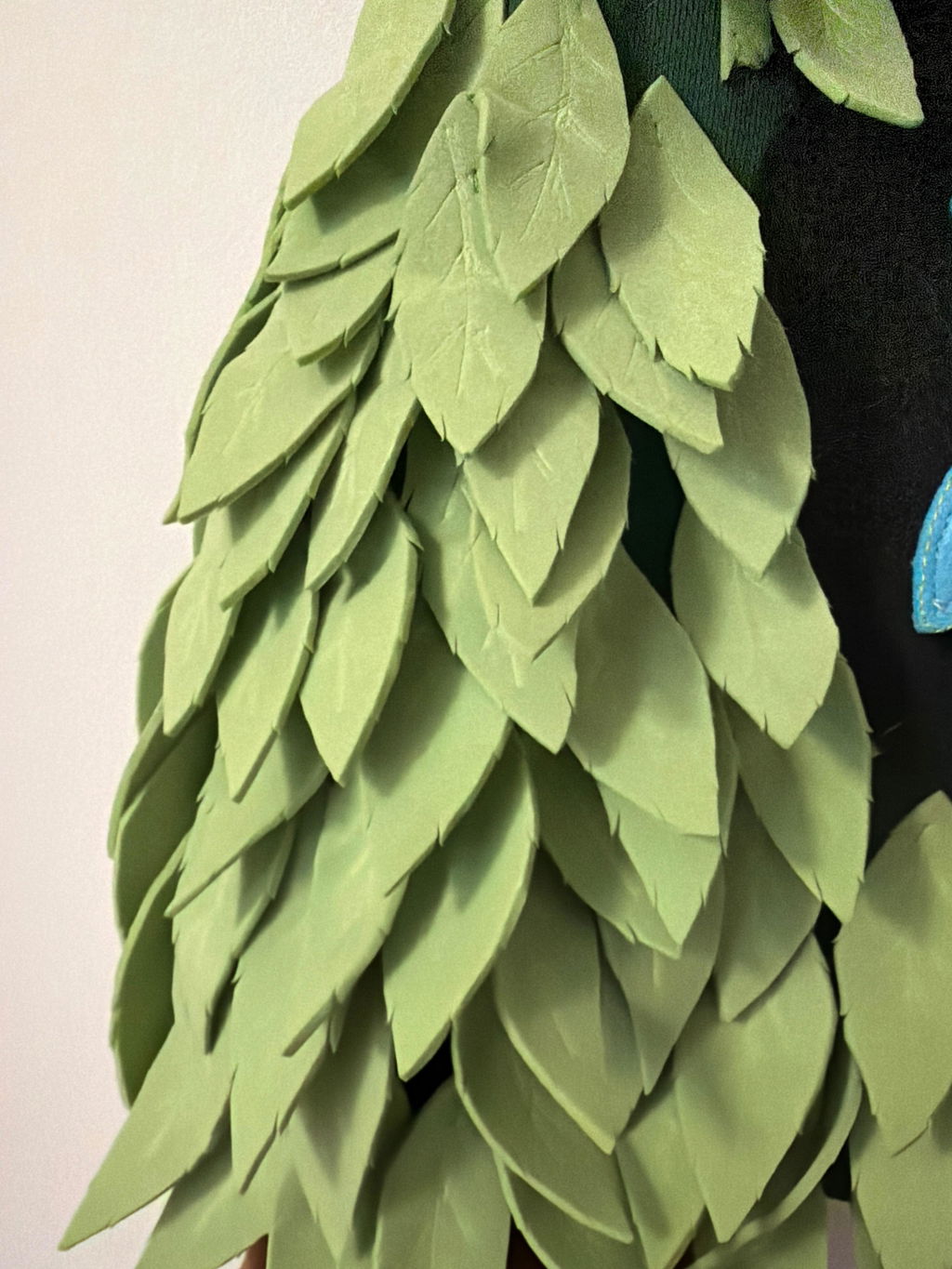
Pianka bardzo dobrej jakości. Użyłam do zrobienia stroju karnawałowego dla dziecka i bardzo dobrze się sprawdziła. Polecam
Profesjonalna obsługa
Kupiłam tą piankę z myślą o zrobieniu własnego kostiumu na Halloween i jestem mega zadowolona. Materiał świetnie się do tego nadaje, łatwo się go przycina i można go formować bez problemu. Do takich kreatywnych projektów sprawdza się naprawdę dobrze. Polecam!
Wszystko w porządku. Nie jest porowata
Wszystko ok
Użyłem do dylatacji .
Pianka w 100% spełnia oczekiwania, idealnie nadała się do mojego projektu!
Zgodny z oczekiwaniami, wszystko ok.
